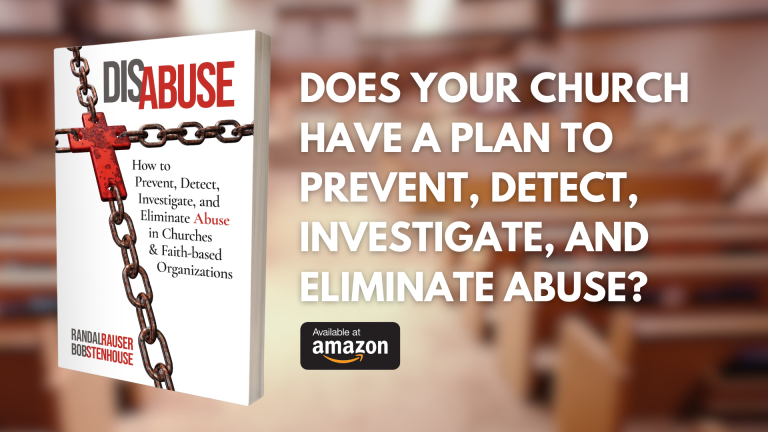
When trust, care, and accountability must be held together.
Faith‑based organizations face people issues with a different weight. Allegations often involve leaders, volunteers, or long‑standing members. The consequences are not only legal or reputational, but deeply relational.
When these moments arise, organizations need an independent process that protects people, honors the seriousness of the situation, and preserves the integrity of the institution.
What this service is (and is not)
Our Faith-Based investigations are:
- Independent, third‑party investigations designed for faith‑based and values‑driven organizations
- Trauma‑informed and dignity‑first, recognizing the emotional and spiritual impact of these matters
- Discreet and proportionate, aligned to the actual risk and the organization’s governance responsibilities
- Led by senior investigators with experience in high‑trust, high‑sensitivity environments
They are not:
- Advocacy, crisis communications, or outcome‑driven work
- A rushed process that prioritizes closure over care
- A one‑size‑fits‑all approach borrowed from corporate or legal contexts
- Delegated to junior staff without oversight
Who We Serve
We support faith‑based organizations where people, trust, and accountability intersect. This includes churches, faith‑based schools, faith‑based universities, faith‑based community groups, and other faith‑based organizations. Our work is grounded in independence, trauma‑informed practice, and governance principles that apply across faith communities of any tradition.
When Faith-Based Organizations Call Us
Faith-Based organizations typically call us when:
- Allegations involve leadership misconduct, volunteer behavior, or boundary concerns
- Internal handling is no longer appropriate due to sensitivity, relationships, or perceived conflicts
- Congregational trust is at risk and independence is essential
- The board requires a credible, third‑party process to fulfill its fiduciary responsibilities
- Discretion, trauma‑informed care, and defensibility all matter at the same time
How Our Faith-Based Organization Investigations Work
We follow a defined route that keeps the process calm, fair, and grounded in care.
- Mandate and independence first: We confirm scope, roles, and independence before work begins
- Trauma‑informed interviews: Interviews are conducted with dignity, clarity, and respect for all involved
- Disciplined fact‑finding: Evidence is gathered and analyzed using a structured, impartial approach
- Findings and reasoning: Conclusions are documented clearly and tied to the evidence
- Quality assurance: Findings are reviewed before finalization to ensure consistency and defensibility
This structure exists to protect people, support responsible leadership decisions, and safeguard the integrity of the organization.
What You Can Expect
You can expect work that is designed to bring clarity and stability in moments of deep uncertainty.
- A clear, independent process that people can understand and trust
- Trauma‑informed handling of sensitive matters, with care for all parties involved
- Documentation that supports board decision‑making and governance responsibilities
- A defensible record that reduces the risk of re‑litigation or ongoing harm
- Clear communication about scope, timelines, and next steps throughout the process
Who Leads This Work
Faith‑based investigations require judgment, discretion, and emotional intelligence. Our work is led by senior investigators who understand faith-based contexts and are experienced in high‑trust environments where the human impact of decisions matters as much as the outcome itself.
Built for Discretion and Accountability
In faith‑based organizations, issues rarely stay contained. Congregational trust, leadership credibility, and organizational mission are often at stake. We design investigations that respect the seriousness of these responsibilities, balancing independence, trauma‑informed care, and accountability so decisions can be made with confidence and integrity.
What Happens in the First 24-48 Hours
Once you start an intake:
- We confirm whether an independent investigation is the appropriate next step
- We clarify scope, decision‑making authority, and communications boundaries
- We provide a written proposal outlining scope, timeline, and fees
- We proceed only once you approve the approach and costs
- We identify any immediate risks requiring stabilization
You know what happens next, what it will cost, and who is accountable. No ambiguity. No unnecessary escalation.
Start an Intake
If you are facing a sensitive matter where independence, care, and organizational trust are at stake, start an intake. We will help you determine whether an investigation is the right next step and what a proportionate, responsible scope looks like.
DISABUSE PODCAST
Popular Episodes
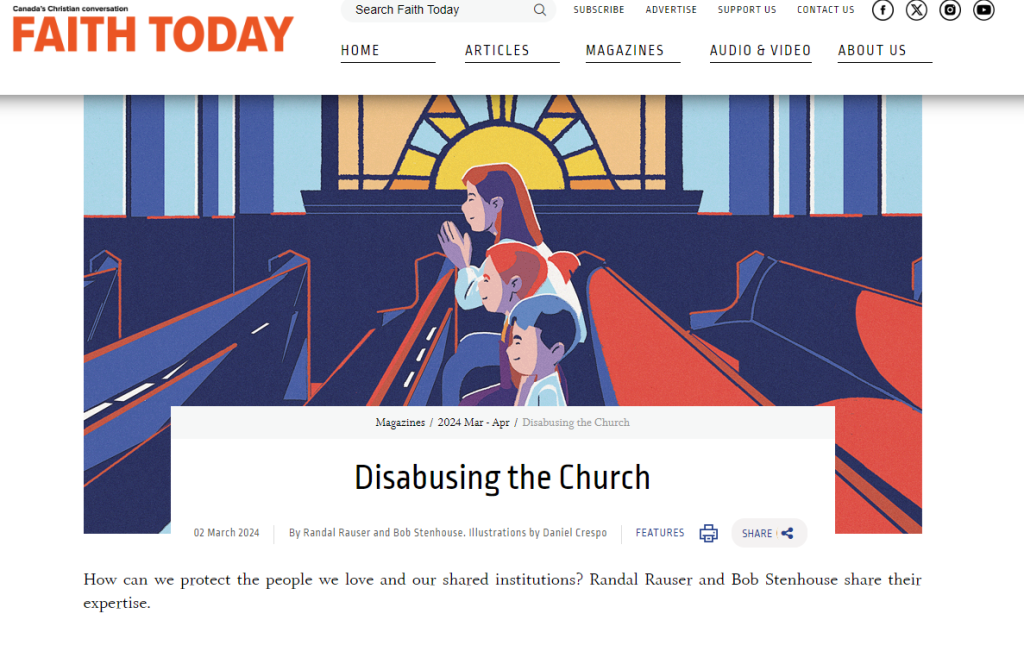
“Disabusing The Church” – Article in Faith Today Magazine
How can we protect the people we love and our shared institutions? Randal Rauser and Bob Stenhouse share their expertise.
Client Feedback:

Randal Rauser PhD
Director, Faith-based Organization Investigations
Randal Rauser specializes in investigations within faith‑based organizations at Veritas Solutions. He brings extensive experience conducting complex investigations involving abuse, misconduct, and organizational governance, supported by advanced academic training and professional investigator credentials. His work focuses on independent fact‑finding, addressing systemic risk, and supporting accountability within religious and mission‑driven organizations.